Saturday, September 30, 2006

Light and Pattern

I finally scoped the cash together to purchase a new Canon 300 mm f/4L IS lens a couple of weeks ago. This is my first IS lens and I must say the IS (Image Stabilization) feature is impressive. For those of you who may not be familiar with image stabilization, the lens has a gyro and moving lens elements that compensate and dampen the normal camera movement while hand holding. This allows photos at slower shutter speeds.

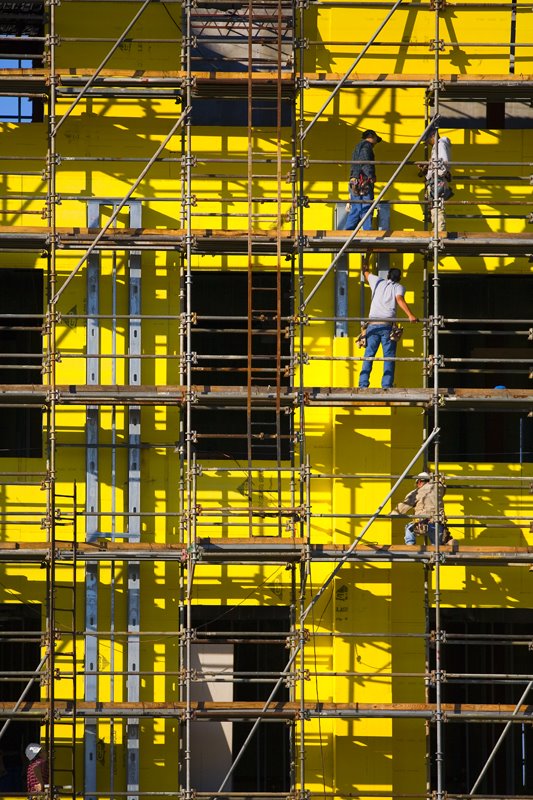
So anyway I went to my favorite local landscape location yesterday to try out the lens at dawn. On the way home I kept the camera and lens on the passenger seat and looked for interesting compositions with the morning light. The image to the left is a bank under construction, I stopped, of course, and took several compositions isolating sections of the building focusing on the complex patterns created by the layers of vertical and horizontal lines. This particular shot has 5 construction workers (there is one in the bottom left corner looking at the others). I think the graphic complexity along with the human element is what intrigues me with the image.

Click on the image for a larger view.

Please let me know what you think in the comments.

Go and set your alarm clock.

Tom Even
www.pbase.com/tomeven

Wednesday, September 27, 2006

When the Saints Go Marching In....

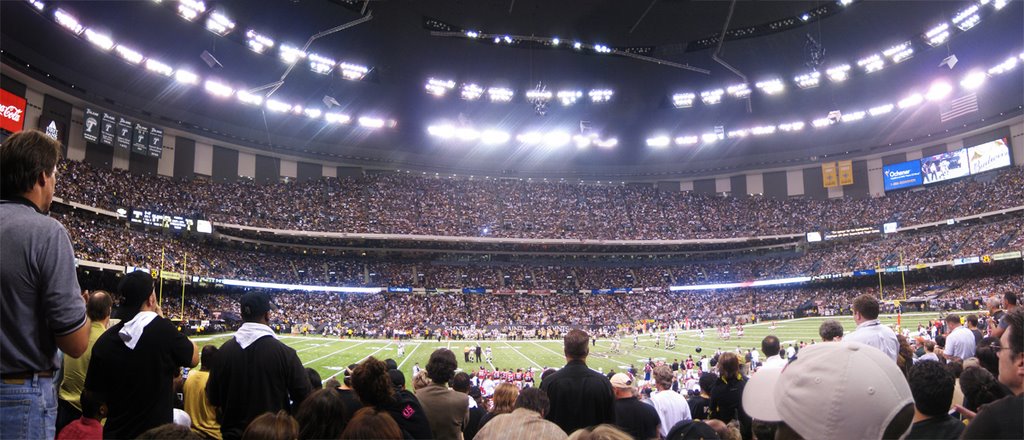
Panorama Stitch of Superdome re-opened 9-25-06
Saints 23 - Falcons 3

What a game! We were fortunate to be able to attend the re-opening of the superdome after 13 months of closure. The Dome looked great with the upgrades and repairs complete. As for the Saints, they did not disappoint nearly stuffing those dirty birds all the way back to Atlanta. I couldn't help but take a few peeps at the sidelines in between plays with those beautiful LENSES staring at the field.


Monday, September 25, 2006

Rainy Day Discoveries

Going digital has dramatically changed my workflow for processing images. Where the creative process following capture was left to the lab or even an automated computer/printer, we now have the opportunity to finish the creative work to the print. I have found that the number of images I take home has dramatically increased as well with the “free” image storage (following purchase of the cards). I say “free”, but there is actually a significant cost associated with taking home large numbers of image files: disk storage, portable hard drives, archival costs and the most significant: TIME!

Time is a currency that obeys the laws of supply and demand like any other currency; it increases in value the less you have of it. We all have to balance time with our spiritual life, family, work, exercise, entertainment, hobbies, social obligations, etc, etc…. Surely I am not alone in feeling the limitations of time in daily life. So back to the subject of all those digital images (hundreds and hundreds of them), I have a tendency to process the images that catch my eye on the first pass through of grading the files and move on to the next shoot. Usually this catches the best shots, but as time passes our “eyes” have a tendency to evolve, our aesthetic senses have a tendency to change as we walk through life.


After several months I decided to review the RAW images from the Navajo lands workshop I attended in October of 2005. On this pass through the files I found several images that did not make the original cut for whatever reason. After processing these images I found that they were among my favorite images from the trip. I am not sure if this is because they are fresh to my eyes or if they are actually stronger images, only time will tell. So the next time you are sitting inside on a rainy day take a look through some of those old images with a new set of “eyes”, there may be a diamond in the rough.


Thomas Even
www.pbase.com/tomeven

Wednesday, September 20, 2006

"Tinker Tubes" - Instant Portrait Lighting

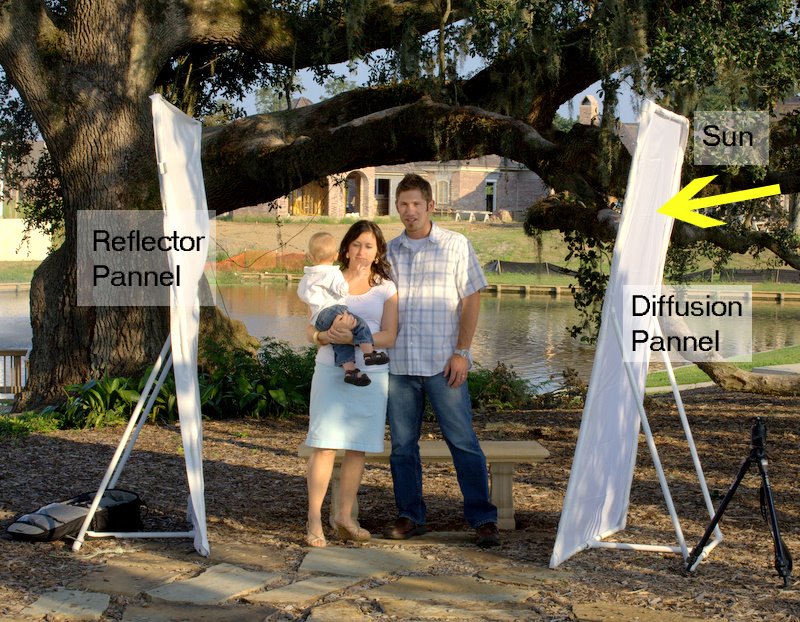
After watching Dean Collins portrait lighting DVDs I ran out to the Garage last Sunday afternoon and built a set of light panels out of 3/4" PVC and ripstop nylon. These are not small, measuring in at 52" X 82", but they beak-down easily for transportation. I was able to build two (2) panels for about $20 in PVC and $30 in fabric. You can get the plans for these "tinker tubes" here, thanks to the Strobist for the link.

I decided to take them out on location for a shoot in afternoon sunlight as a diffusion and reflective light source. The first picture posted is a set-up with the translucent panel to camera right and reflective panel to camera left. Sunlight is the only light source and is from camera right. As you can see from the image this set-up creates soft wrap-around lighting, which is very flattering to the subjects. One other consequence of screening the direct sunlight is a brighter background as the exposure must be adjusted for the lower light levels on the subjects.

As you can see from the picture I ended up placing my camera bag on the reflector panel for stability. (it's not nice to drop lighting gear on you customers while shooting...)


Go out and have some Fun!

Tom Even
www.pbase.com/tomeven

Tuesday, September 05, 2006

Open Shade and Natural Reflectors

We have all heard the advice "shoot during the magic hours at sunrise and sunset for the best lighting and avoid the mid-day sun". Well, for most of the photography I end up engaged in, morning and evening is the time I shoot. However there are opportunities to tame the harsh light of the mid-day sun and one of those is Open Shade.

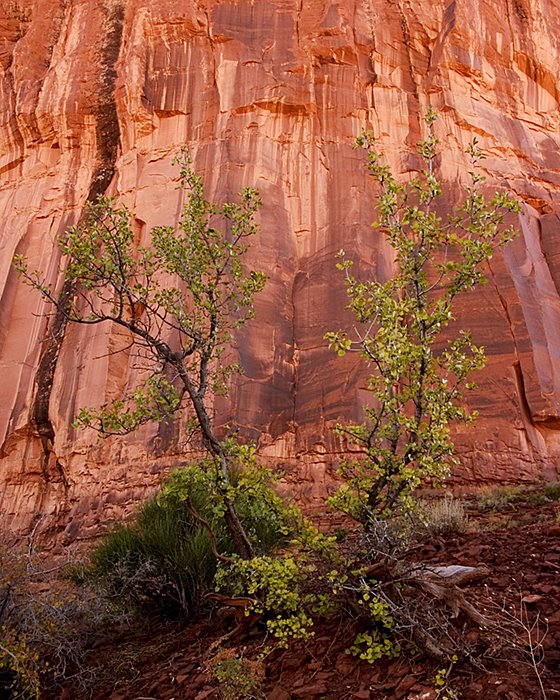
Open shade is simply an area out-doors that is shaded from the direct light of the sun, therefore being illuminated by reflected light. On a workshop I attended last October in Arizona, Alan Briot scheduled one of the shoots in Monument Valley at noon. To be honest I was not expecting to get any stunning images during this shoot because of the lighting. Before we started Alan explained that we would be shooting in open shade and this lighting is one of the "best kept secrets in photography".

As you can see from the image of the tree in front of a cliff, the colors are saturated and the lighting has a wonderful soft warm quality.

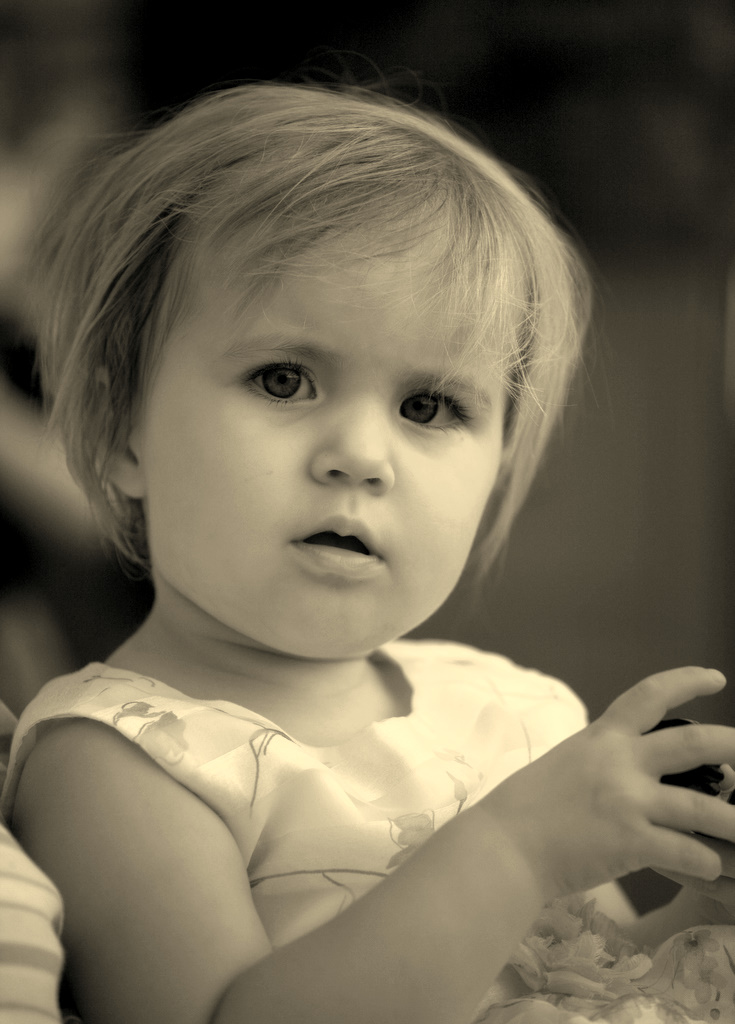
Well, fast forward to this past labor day weekend: we were enjoying our family's company at a birthday party for my nephew. It was time for the games and I had my camera to capture some of the action in the backyard. After taking a few pictures I noticed a soft glow on the kids faces, I looked around and sure enough we were in open shade with a natural reflector. It was 5:00pm on a clear day, but everyone was shaded by the house and a large building to the east of the yard was reflecting a warm glow.

This diagram shows a conceptual representation of the lighting Sunday afternoon. This is the type of lighting that is reproduced in many studio portrait sessions. Here the main light is not the sun, but a reflection of the sunlight causing the light source relative to the subject to increase...creating softer (more diffused) light.

As photographers we need to learn to "See" the light, and realize what makes attractive lighting. Once we understand the concepts, it allows us to adapt to the environment when scouting a shoot or just taking pictures at the nephew's birthday party.

The image below was taken at the Party with reflected sunlight in Open Shade


Go look for the light!

Tom Even
eventj@gmail.com
www.thomaseven.com
www.pbase.com/tomeven

Thursday, August 31, 2006

Kids and an off-camera Flash


Most of my photography has been focusing on landscape subjects and natural light portraits to this point. The whole "off-camera flash" thing seemed complicated and expensive to get into, so I procrastinated, and focused my time and money on landscapes (which I love).

I put together a little off camera flash set-up after getting into a new flash Photography Blog called Strobist. The setup includes a Sunpak 5000 Strob, light stand, 40" umbrella and PC cord to the camera.


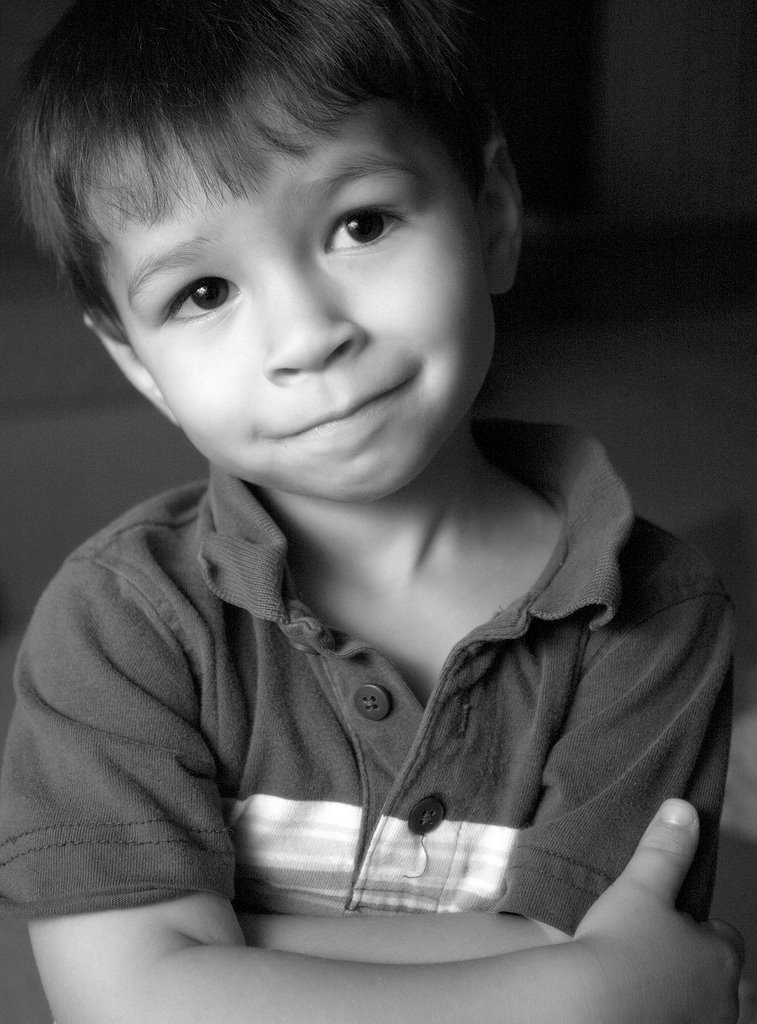
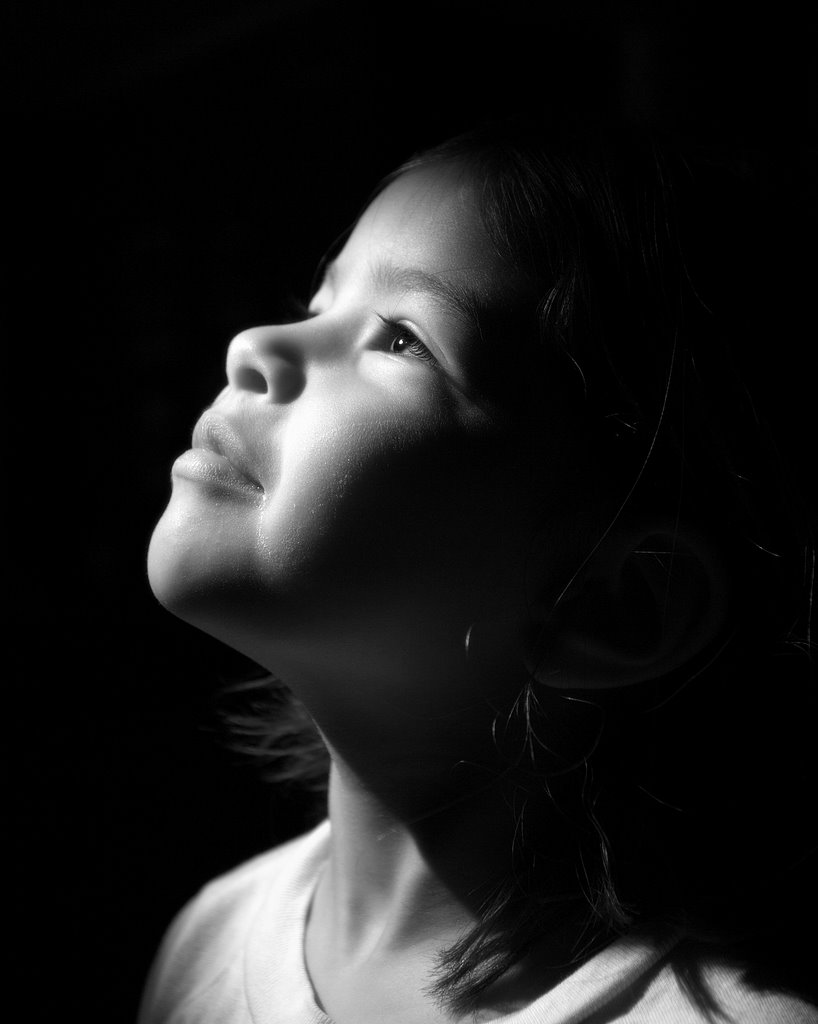
After setting up the flash in the living room I got the kids to pose for a couple of minutes (Tommy was in and out, it is hard to keep him still). I then put on a homemade cardboard snoot (Thanks to the Strobist again) and took the shots below with the kids looking into the flash. Nice effect!


I plan to continue to play with my new found toys and add more off-camera flash quickly (I have already purchased a Nikon SB-24 on e-bay...)

Tom Even
www.thomaseven.com
www.pbase.com/tomeven

Saturday, August 19, 2006

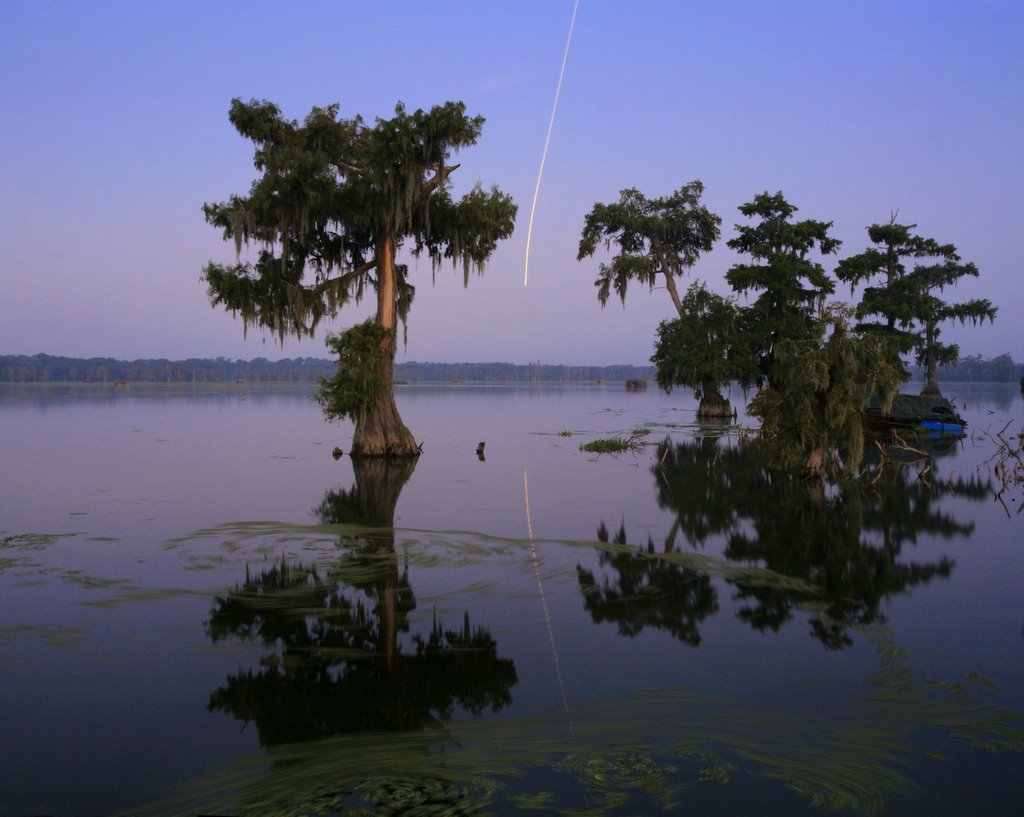
Shooting Star

Click image for larger view

This shot was taken well before sunrise looking west toward
Lafayette from Lake Martin. It was a 30 sec exposure and captured a Shooting Star while being exposed. I was looking at the camera during the exposure and did not even see the meteor until I was reviewing the pictures on the computer! Much to my delight the star was in a nice spot for the composition. I know your first impression is to attribute this to luck....well maybe, but you have to be there to get lucky!

UPDATE (10-9-06):
Alain Briot has published my essay describing the image and thoughts on "luck" on his web site, www.Beauliful-Landscape.com.

Alain is one of the most successful landscape photographers in the US, I was fortunate to be able to attend his Navajo Lands Workshop Last October.

Please check out the essay here on Alan's Site.

Tom Even
www.thomaseven.com
www.pbase.com/tomeven Posted by Picasa